Key Areas We Will Cover
- The core definition: Art vs. Design
- WHY: The psychology of visual perception
- HOW: The holy trinity (Type, Color, Space)
- Essential tools: Adobe, Figma, and AI
- The step-by-step design process
- Future trends for 2025 and beyond
Part 1: The DefinitionWhat is Graphic Design?
Many people mistake graphic design for simply making things "look pretty." This is a dangerous oversimplification. If fine art is about self-expression and asking questions, graphic design is about communication and answering questions.
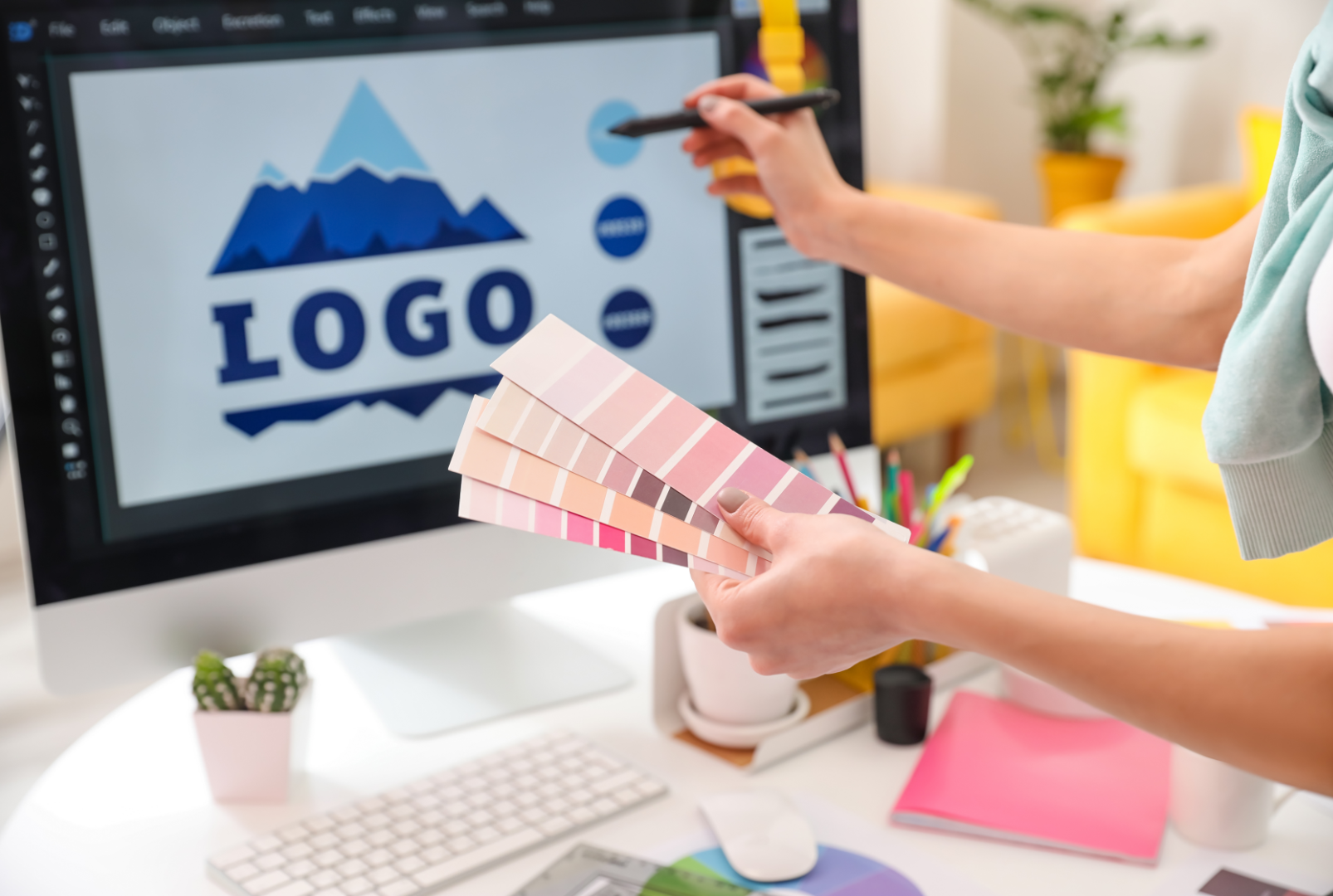
Graphic design is the professional discipline of selecting and arranging visual elements—typography, photography, iconography, and illustration—to convey a specific message to a specific audience. It is utilitarian. It is functional.
— Steve Jobs
At its core, it involves two main tasks:
- Visual Communication: Transmitting ideas through imagery.
- Problem Solving: Using layout and hierarchy to help the user understand information quickly.
Part 2: The ImportanceWhy Does It Matter?
Why do companies like Apple or Nike spend millions on design? Because good design yields tangible business results. Here is the breakdown:
🧠 Brand Recognition
Consistency creates trust. Using the same fonts, colors, and styles across all platforms makes your brand instantly recognizable.
⚡ Efficiency
Bad design confuses; good design clarifies. A well-designed website or brochure helps customers find what they need without frustration.
❤️ Emotional Connection
Color theory and imagery can evoke specific feelings (trust, excitement, calm) that text alone cannot achieve.
Part 3: The ExecutionHow Graphic Design Works
How do designers create magic from a blank canvas? They rely on the "Holy Trinity" of visual principles.
Typography
The art of arranging type. It gives voice to the text. Is it loud (Bold Sans-Serif) or elegant (Script)?
Color Theory
Understanding how colors interact. Warm colors trigger action; cool colors build trust.
Negative Space
The empty space around elements. It prevents clutter and allows the design to "breathe."
The Modern Designer's Toolkit
To execute these principles, designers use specialized software. While the tools change, the purpose remains the same:
- 🖼️ Adobe Photoshop: The king of image manipulation and raster graphics (pixels).
- ✒️ Adobe Illustrator: The standard for vector graphics (logos, icons) that can scale infinitely without losing quality.
- 🕸️ Figma: The modern collaborative tool for UI/UX (websites and app interfaces).
The Creative Process
Finally, how does a project go from idea to reality? It rarely happens in a sudden burst of inspiration. It follows a process:
1. Briefing: Understanding the goal.
2. Research: Analyzing competitors and trends.
3. Wireframing/Sketching: Rough layouts on paper.
4. Design: Digital execution.
5. Refinement: Tweaking based on feedback.
In conclusion, graphic design is the invisible structure that holds the digital world together. Whether you are a business owner or an aspiring artist, developing a "designer's eye" will help you communicate more effectively in our visually dominated future.